Quick Details
Person
Ages 13+
€ 31.45
Child
Up to 12 years old
€ 20
Student
Ages 13+ • Must present valid Student ID
€ 20
Madea Play in Athens, Greece
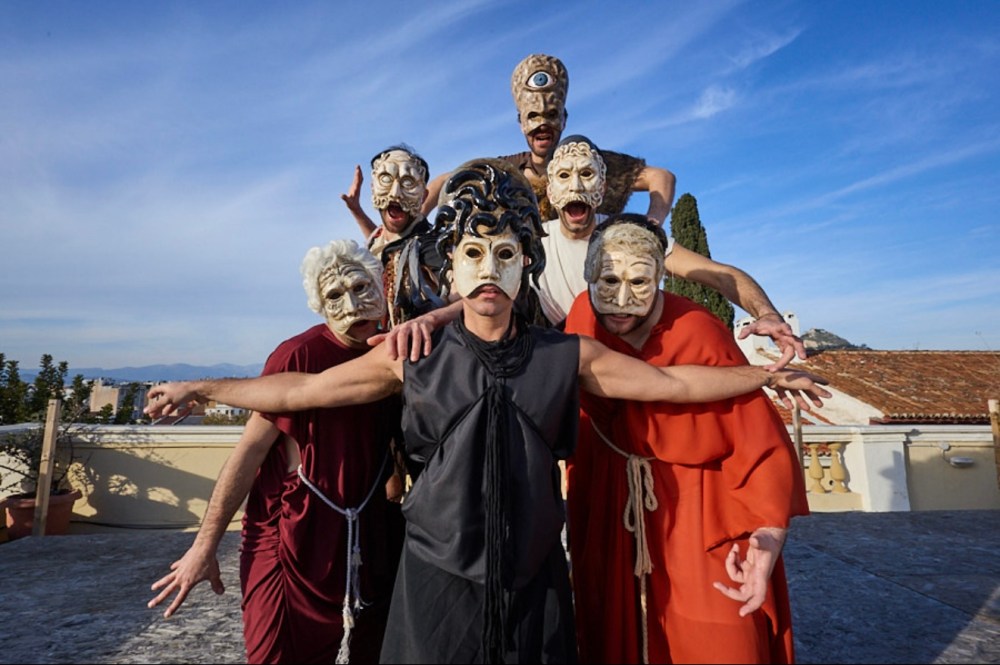
Don’t leave Greece without joining that thrilling experience, a theater performance given by actors talking in English and learn about some of the most interesting myths related to ancient Greece!
What you’ll experience: During his visit to the Acropolis, a present-day tourist slips and gets knocked out. When he awakens, he finds himself transported to the 5th century B.C, Athens. There, he will have an intense talk with Medea, watch the daughters of Oedipus grieve, chase the god of Wealth himself around the Parthenon and find out how Odysseus solved a Cyclopean problem.
There is a short introduction that helps viewers enjoy the show more.
The play “Medea and other friends I made in Athens” compiles excerpts from the following major works of Ancient Greek literature, in order of presentation:
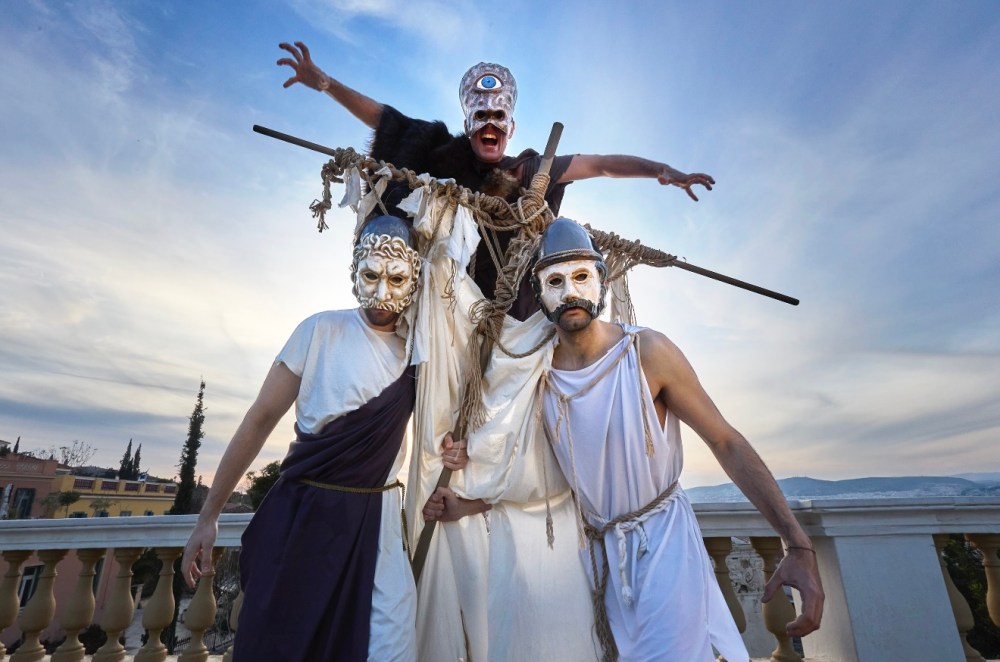
“Odyssey” by Homer
Odyssey focuses on the ten-year journey and the many adventures of Odysseus, king of Ithaca, after the fall of Troy.
Excerpt No.1 features the meeting of Odysseus with the mighty Cyclops Polyphemus and the rough time he and his comrades had, trapped in the monster’s cave.
The writing of Odyssey is attributed to the blind poet Homer.
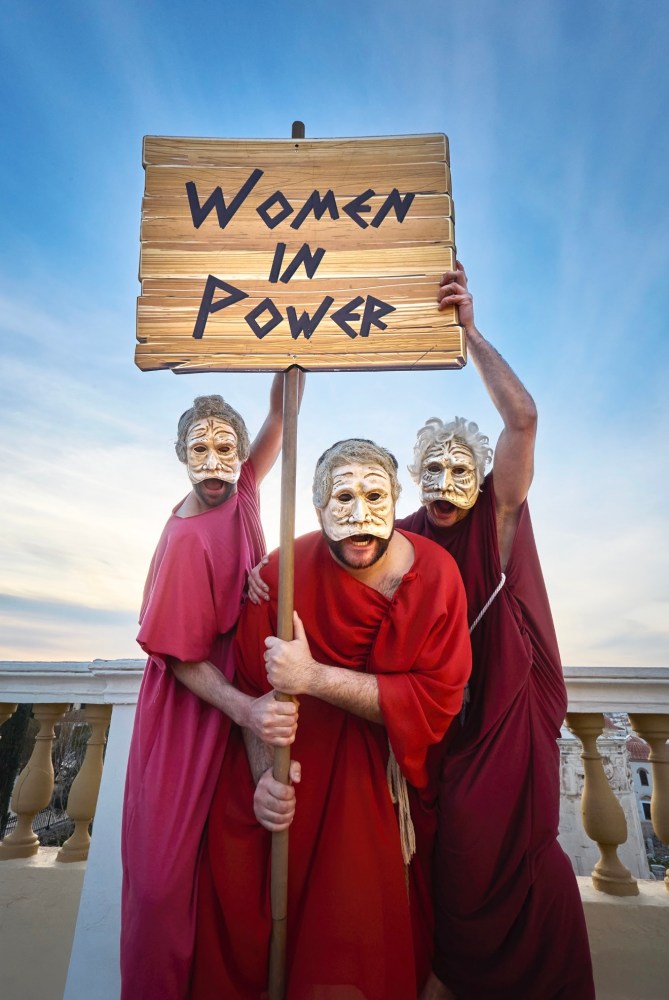
“Women in Power” by Aristophanes
Women in Power or Assemblywomen is a comedy written by Aristophanes in 391 BC. In the play, the women of Athens assume control of the government and instate anarchist reforms banning private wealth and enforcing sexual equality for the old and unattractive. The concepts of women holding power and anarchism aim to criticize the Athenian government at the time.
Excerpt No.2 features the adventure of a young Athenian who tries to meet his girlfriend while 3 very persistent old ladies block his way.
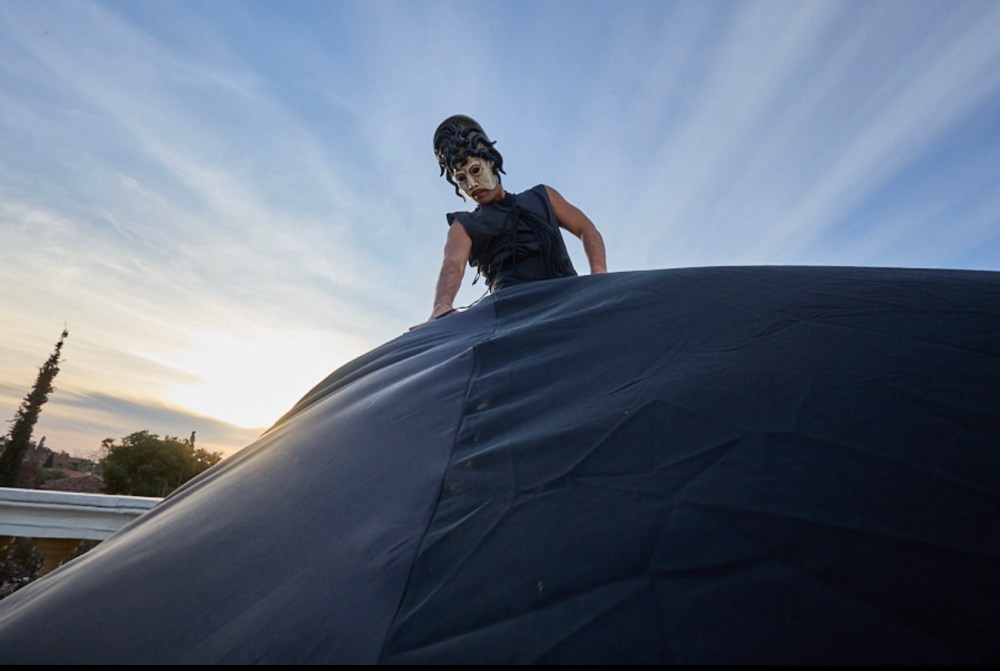
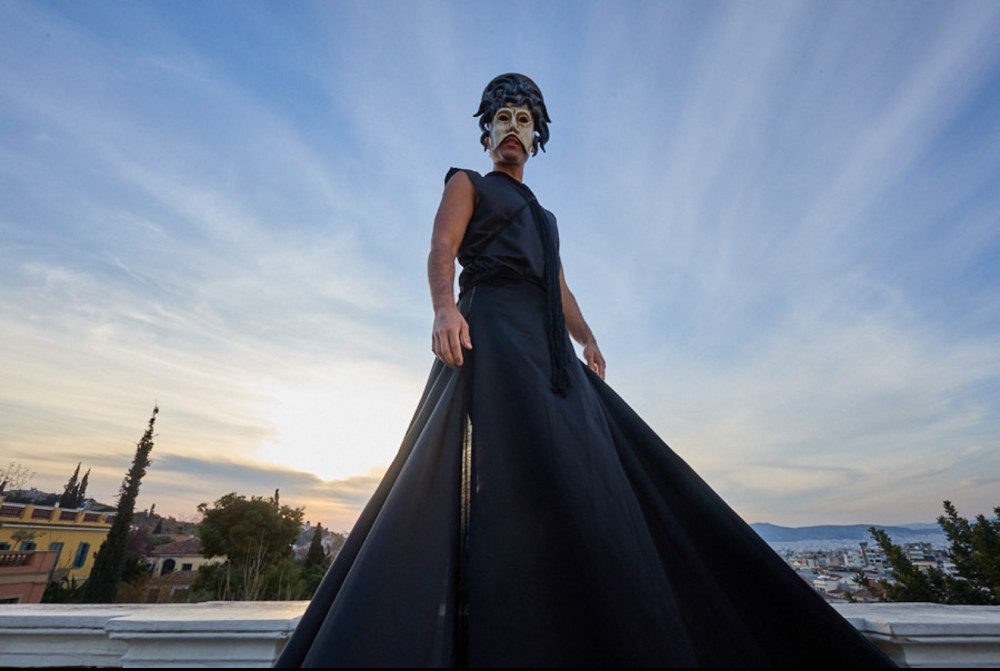
“Medea” by Euripides
The play is based upon the myth of Jason and Medea and it was performed in 431 BC at the City Dionysia festival. The plot centers on the actions of Medea, a former barbarian princess and the wife of Jason, when she finds her position in the Greek world threatened as her husband leaves her for a young Corinthian princess. Medea takes vengeance on Jason by murdering Jason’s new wife as well as her own children, after which she escapes to Athens to start a new life.
Excerpt No.3 features Medea in a monologue explaining the reasons that drove her to these actions.
“Prometheus Bound” by Aeschylus
The tragedy is based on the myth of Prometheus, a Titan who defies the gods and gives fire to mankind, an act for which he is subjected to eternal punishment.
Excerpt No.4 features Prometheus chained to a mountain when a chorus of Oceanides (daughters of Ocean) appear and attempt to comfort him.

“Antigone” by Sophocles
Antigone and Ismene are the sisters of Polyneices and Eteocles (all children of Oedipus), who died fighting each other for the throne of Thebes. King Creon, the new ruler of the city, has decided that Eteocles will be honored and Polyneices will lie unburied in the battlefield.
Excerpt No.5 features Antigone, who brings her sister Ismene outside the palace gates, in order to reveal her plan to bury Polyneices’ body.
Ismene refuses to help her, but she is unable to stop Antigone from going to bury her brother herself.
 “Wealth” by Aristophanes
“Wealth” is an ancient Greek comedy by the playwright Aristophanes, first produced in 408 BC.
Excerpt No.6 features an Athenian citizen, owner of the slave Carion, who has gone to seek advice from an oracle. The instructions given by the god Apollo were for the Athenian to follow the first person he chanced upon meeting. That person turns out to be the god Wealth who is, contrary to all expectations, a blind beggar.